
Why Snowflake DW Outshines Microsoft SQL Server: A Clear Comparison
In the rapidly evolving landscape of data warehousing, organizations are constantly seeking platforms that not only store vast amounts of details but also enable swift, insightful analysis. Two heavyweights frequently enough emerge in these conversations: Snowflake Data Warehouse and Microsoft SQL Server. While both have established their reputations, the nuances and innovations embedded in Snowflake’s cloud-native architecture have sparked a fresh wave of interest. This article delves into the core differences between Snowflake and Microsoft SQL Server, offering a clear-headed comparison to help businesses understand why Snowflake is increasingly becoming the go-to choice for modern data solutions.
Advantages in Scalability and Performance for Modern Workloads
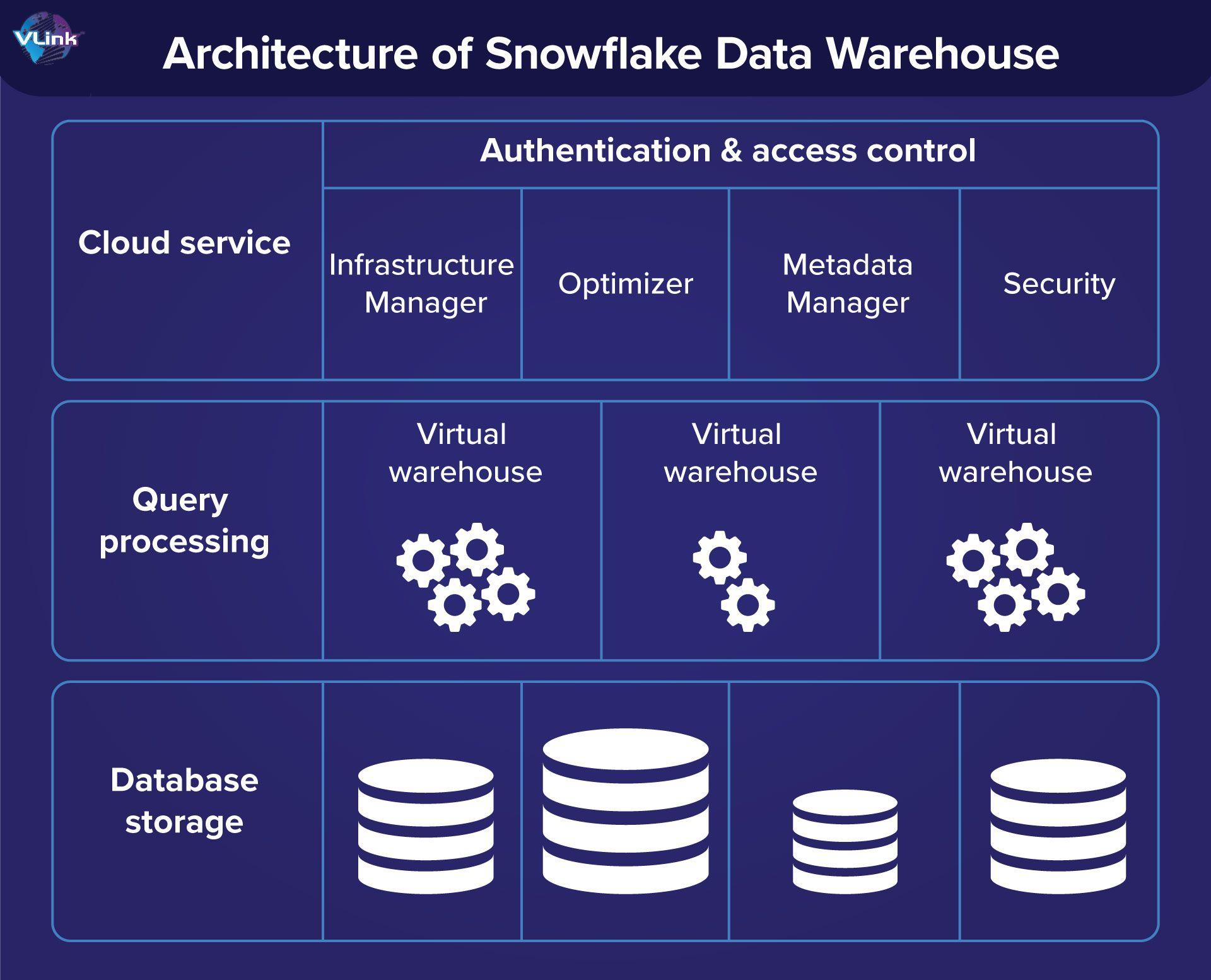
Modern workloads demand systems that can seamlessly scale to handle fluctuating data volumes and concurrent user queries without compromising speed. Snowflake’s architecture is built on a cloud-native, multi-cluster shared data approach, enabling automatic resizing and workload segregation. This means resources are dynamically allocated,reducing bottlenecks and ensuring consistent performance even during peak loads. Unlike conventional databases,Snowflake separates compute and storage,allowing it to elastically scale each independently. This versatility is crucial for businesses that deal with unpredictable spikes or massive datasets requiring real-time analytics.
in contrast, Microsoft SQL Server—while robust in on-premises environments—often faces challenges scaling linearly without manual tuning or hardware upgrades. Its monolithic design can lead to resource contention under heavy workloads. Snowflake’s unique approach offers benefits such as:
- Concurrent Query Handling: multiple virtual warehouses can run queries together without impacting each other.
- Automatic Performance Optimization: adaptive caching and query optimization reduce latency.
- Cost-Effective Scaling: Pay only for the compute and storage used, with no need for upfront capacity planning.
| Feature | Snowflake | SQL Server |
|---|---|---|
| Compute & Storage Separation | Yes | no |
| Auto-scaling Capabilities | Automatic | Manual |
| Concurrency Management | High (multi-cluster) | Limited |
| Cost Model | Usage-based | License-based |
Cost Efficiency and Resource Management in Cloud Environments
When evaluating cloud data platforms,controlling expenses while maximizing computational resources is a pivotal factor.Snowflake’s architecture, with its separation of compute and storage, enables organizations to finely tune their spending and avoid the overhead of maintaining idle hardware. This elasticity means companies pay strictly for what they consume, dynamically scaling resources based on workload demands without upfront commitments. In contrast, Microsoft SQL Server—traditionally designed for on-premises or VM-based deployments—often incurs fixed costs for reserved infrastructure, leading to potential resource underutilization and higher total cost of ownership in cloud scenarios.
Resource management becomes smarter and more granular with Snowflake’s multi-cluster approach, allowing simultaneous workload execution without contention. This capability translates into optimized concurrency and less operational bottlenecks,saving costs associated with performance degradation or manual scaling. Consider the following overview comparing resource flexibility and cost impact:
| Feature | Snowflake | microsoft SQL Server |
|---|---|---|
| Compute & Storage Pricing | Billed separately, pay-per-use | Bundled, less flexible |
| Scaling Method | Automatic & near-instant scaling | Manual or VM resize |
| Idle Resource Costs | Minimized via dynamic suspension | Maintained even when idle |
| concurrency Handling | Multi-cluster for workload isolation | Limited by infrastructure capacity |
These differences highlight why Snowflake often emerges as a more cost-effective and resource-conscious solution for cloud-first enterprises, delivering the operational efficiency required in today’s data-driven landscape.

Data Integration and Flexibility for Diverse Analytical Needs
In today’s data-driven world, the ability to seamlessly unify disparate data sources is a game-changer. snowflake’s architecture is built with flexibility at its core, enabling effortless integration of structured and semi-structured data formats including JSON, Parquet, and Avro—all within a single platform. This adaptability not only streamlines workflows but also empowers analysts and data scientists to explore and experiment without bottlenecks. Unlike traditional systems that demand complex ETL processes and rigid schemas, Snowflake dynamically ingests diverse data types, allowing for rapid iteration and scaling in real time.
Simultaneously occurring, Microsoft SQL server offers solid relational database management but frequently enough requires additional tools or manual intervention to handle non-relational and big data varieties effectively. The differences are evident in their native capabilities:
- Snowflake: Automated schema detection, native support for JSON and XML, and zero-copy cloning for agile data sharing.
- SQL Server: Strong transactional consistency with relational data,but less native support for semi-structured formats and scaling challenges.
| Feature | Snowflake | Microsoft SQL server |
|---|---|---|
| Native Semi-Structured Data Support | Yes (JSON, Parquet, Avro) | Limited (mostly XML) |
| Elastic Scaling | Instant, seamless | Manual, hardware-dependent |
| Data Sharing | Built-in secure sharing | Requires replication or ETL |
Strategic Recommendations for Choosing the Ideal Data Warehouse Solution
When selecting a data warehouse, it’s essential to evaluate how well the platform aligns with your business needs, scalability demands, and analytical complexity. Snowflake’s architecture promotes seamless elasticity,offering multi-cluster shared data capabilities that can automatically scale compute resources without downtime,an advantage that traditional platforms like Microsoft SQL Server often struggle to match without manual intervention. Additionally, Snowflake’s separation of storage and compute not only helps optimize costs but also improves performance during peak workloads—a critical factor for businesses with fluctuating analytics demands.
Beyond scalability and cost efficiency, consider the ecosystem and interoperability. Snowflake’s cloud-agnostic design enables easy integration with major cloud providers, supporting hybrid and multi-cloud strategies—something SQL Server’s primarily on-prem or Azure-centric setup cannot fully replicate. Below is a quick comparison to highlight key differentiators:
| Feature | Snowflake | Microsoft SQL Server |
|---|---|---|
| Architecture | Cloud-native, multi-cluster shared data | Traditional monolithic / cloud-dependent |
| Scalability | instant auto-scaling, separated storage & compute | Manual scaling, tightly coupled resources |
| Cloud Compatibility | Multi-cloud (AWS, Azure, GCP) | Primarily Azure and on-premises |
| Maintenance | Minimal, fully managed service | Requires manual patching and upgrades |
- Evaluate Workload Characteristics: High concurrency and variable traffic will benefit from Snowflake’s dynamic scaling.
- Consider Cloud Strategy: Choose a warehousing solution that complements your cloud vendor mix.
- Factor in Total Cost of Ownership: Managed services often reduce administrative burden and hidden expenses.
Closing Remarks
In the ever-evolving world of data warehousing, choosing the right platform can make all the difference. While Microsoft SQL Server has long been a trusted name, Snowflake’s innovative architecture and cloud-native approach offer compelling advantages that cannot be overlooked. By seamlessly blending scalability,flexibility,and performance,Snowflake sets a new standard for modern data management. Ultimately,your choice depends on your specific needs and environment,but one thing is clear: Snowflake’s rise is reshaping the data landscape,inviting organizations to rethink what’s possible in their pursuit of insight and agility.
